A CMS is often treated as an editing preference, but it has a long-term effect on conversion. The platform determines how quickly the team can adjust pages, publish new content, create campaign variants, update proof, improve forms, and keep the site aligned with what buyers need to know.
The wrong CMS can make useful changes feel expensive. If every content update needs developer time, marketing teams avoid smaller improvements. If page templates are too rigid, service pages become generic. If the editor is too loose, pages drift away from the design system and become harder to trust.
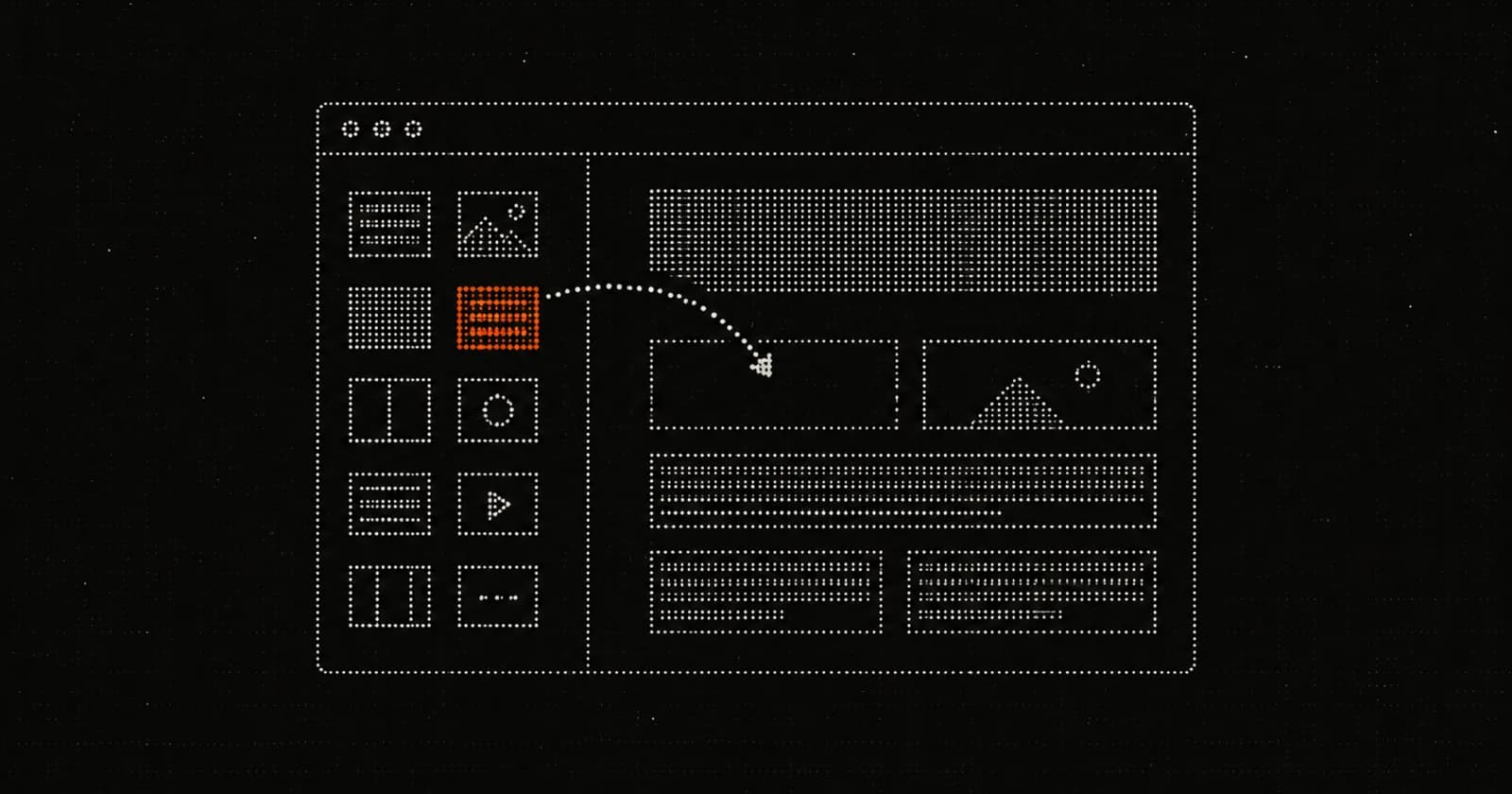
A good CMS structure gives the team controlled flexibility. Reusable sections, clear fields, sensible validation, image handling, SEO controls, and preview workflows let people move quickly without breaking the site. That matters because conversion improvement is rarely one large change. It is usually a sequence of smaller decisions made over time.
Platform fit also depends on the business model. Shopify may be the right choice when commerce operations are central. Webflow may suit a marketing-led site that needs visual control and fast page publishing. WordPress can still work well when content depth, ownership, and extensibility matter. A custom Next.js and CMS build can be useful when performance, structured content, and integrations are more important than off-the-shelf editing.
The danger is choosing around the build instead of the operating model. A site can launch looking strong but become hard to improve if the CMS does not match the team, the content workflow, or the conversion work planned after launch.
Before choosing, define what the team needs to change without support, what should stay locked, how content will be reused, what tracking needs to fire from CMS-driven components, and which page types will grow over time. That creates a platform decision that supports the business after the redesign is finished.
Not sure where your revenue is leaking?
Our free conversion audit surfaces the few specific places between the visit and the order where your site is losing buyers, and what to fix first.
Get a free conversion audit