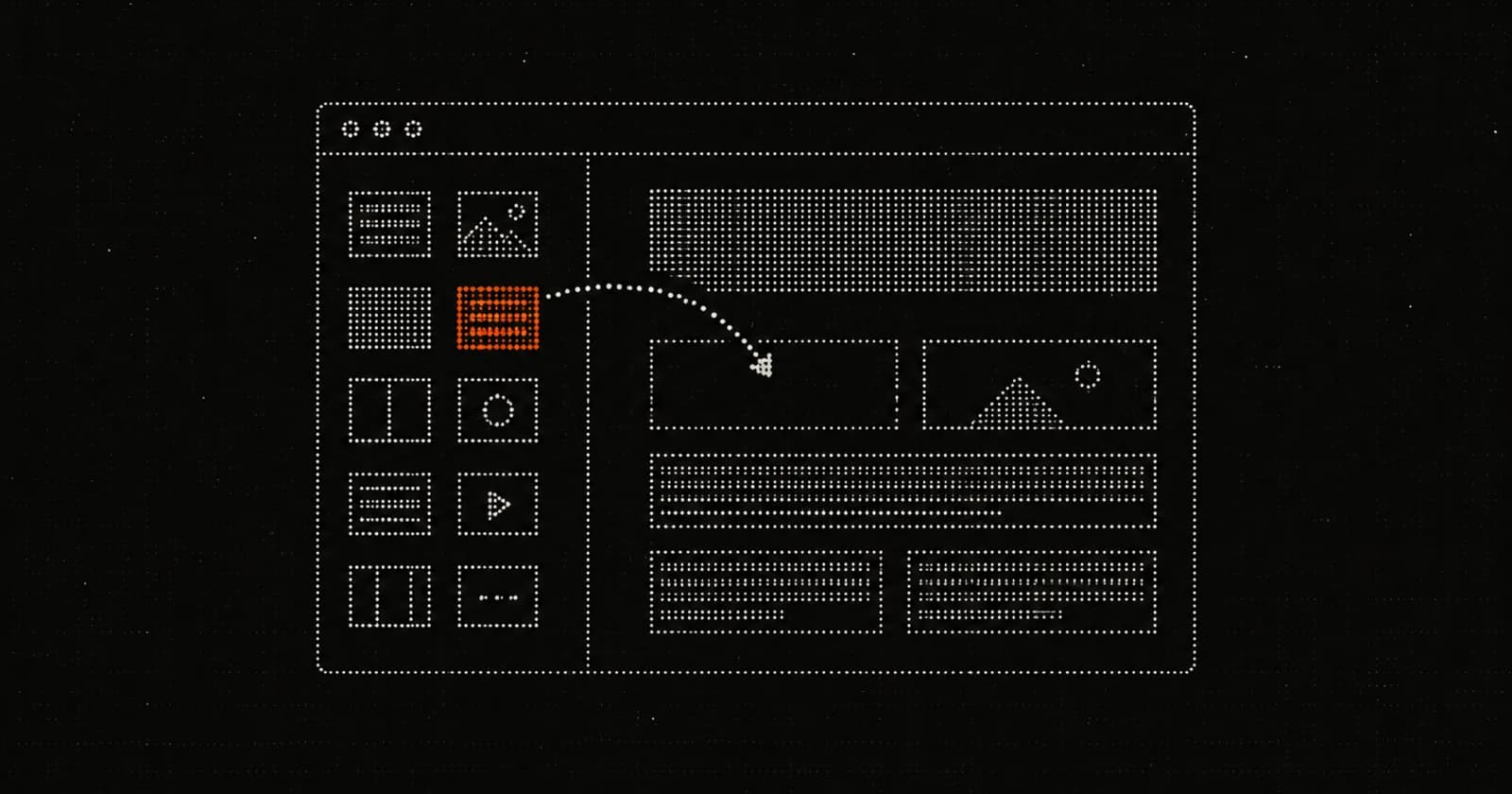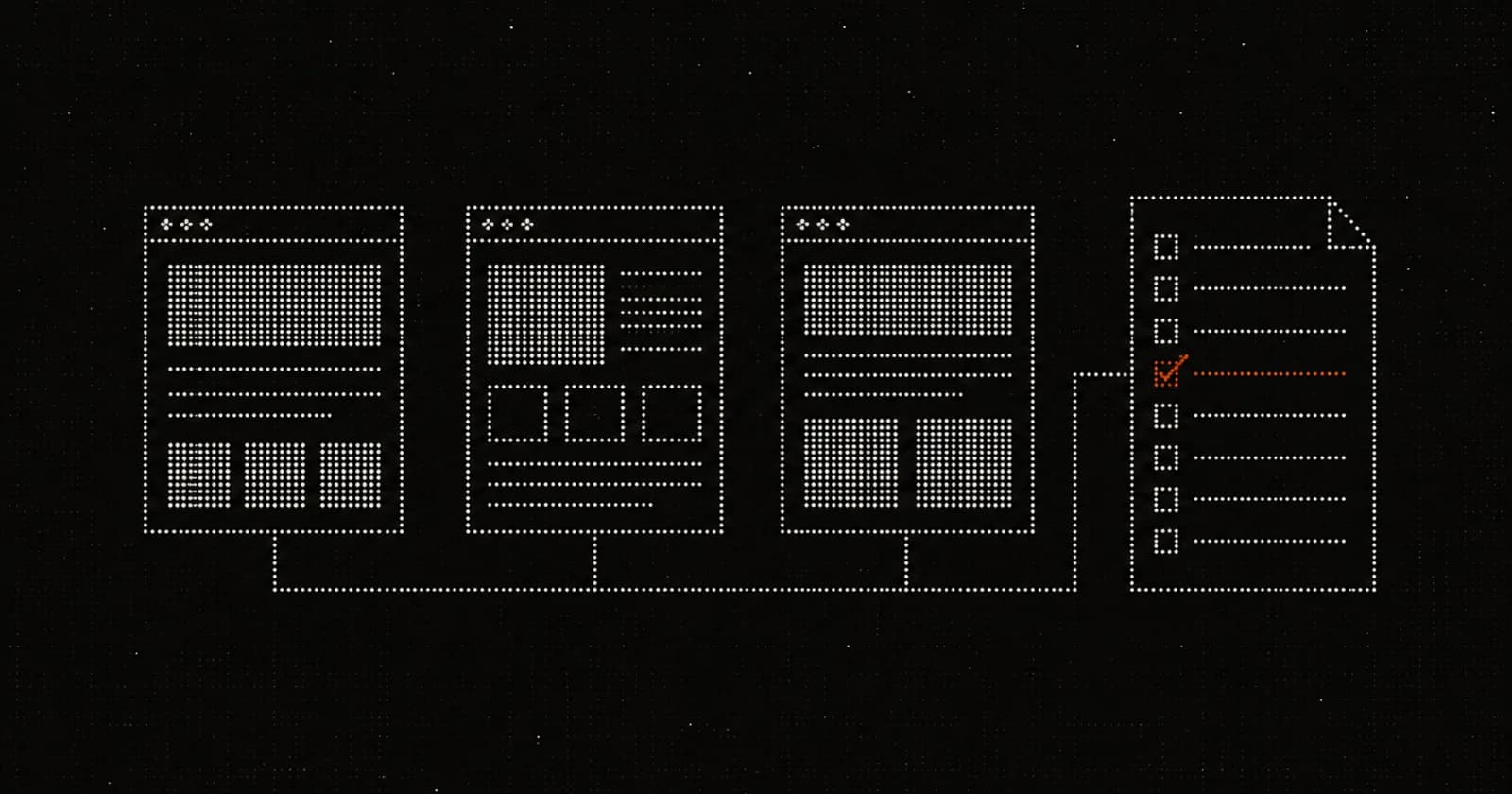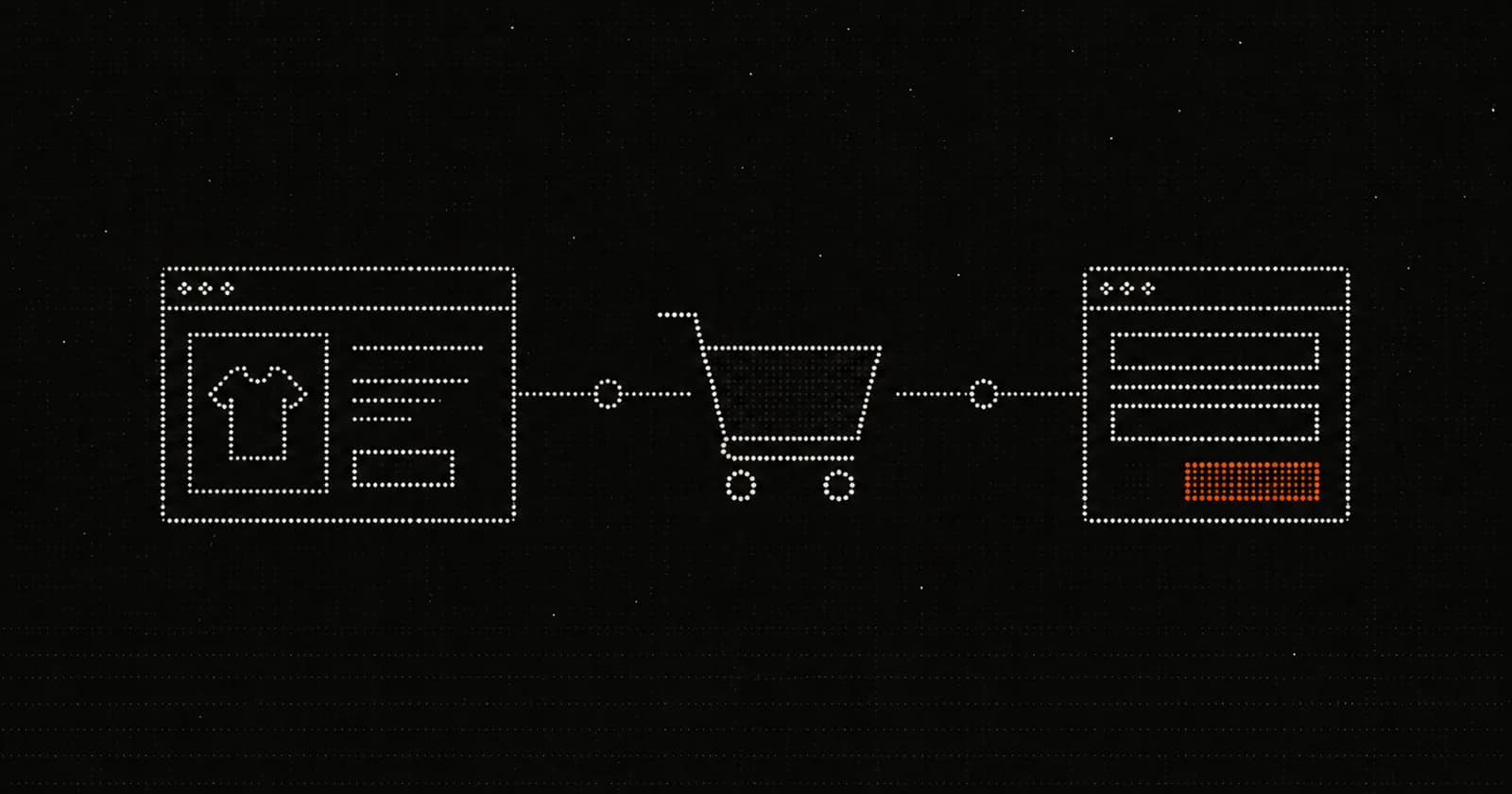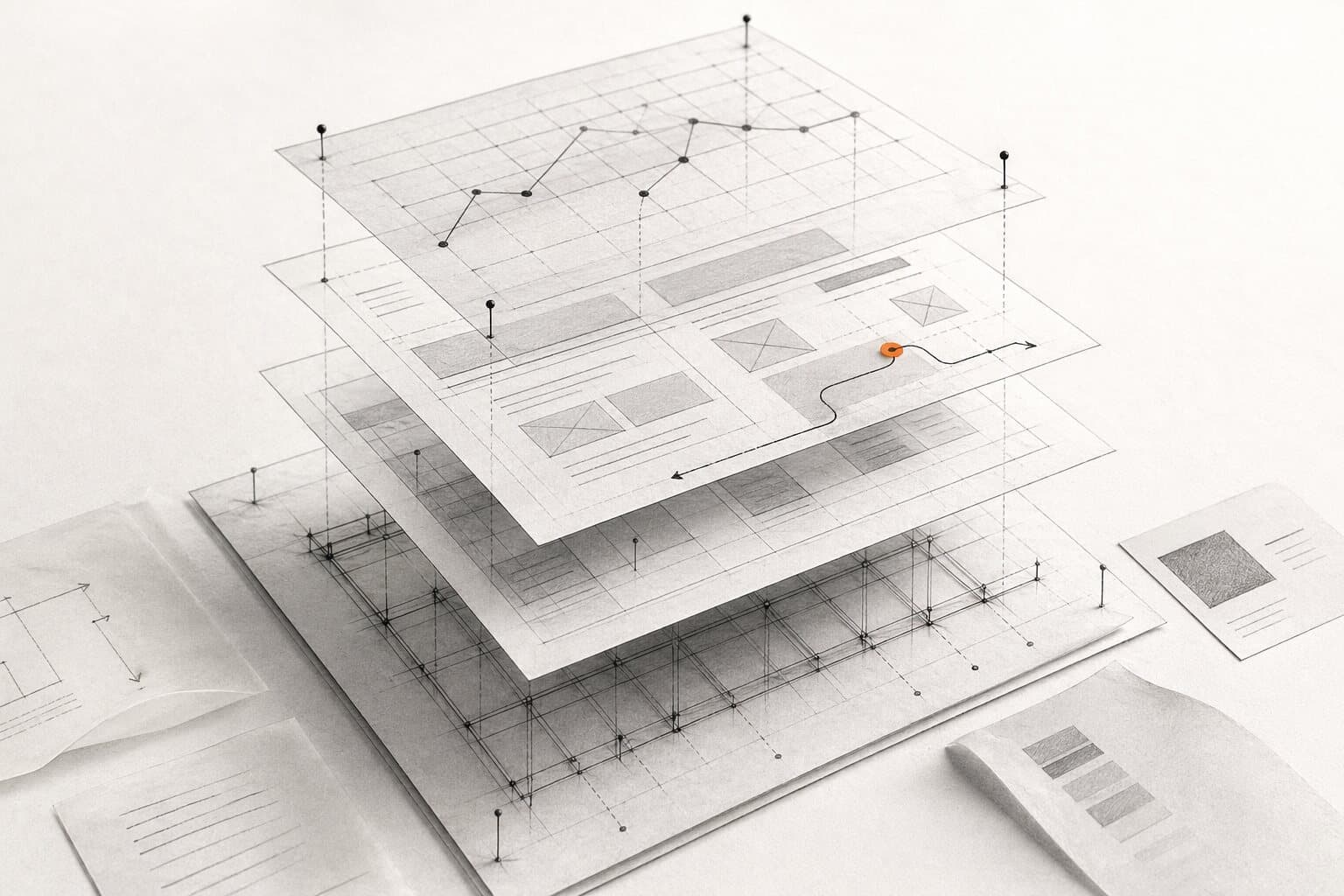
A high-performing website is not created by changing the surface layer first. The visual direction matters, but the outcome is usually decided before design starts: what the business needs the site to prove, which pages carry the sale, how visitors move between them, and what the team can measure once the new version is live.
The first useful step is to document the current state. That means looking at the pages that attract qualified traffic, the pages that assist conversion, the points where visitors leave, and the content the internal team relies on day to day. Without that baseline, the redesign becomes a preference exercise. With it, the team can separate what is dated from what is commercially important.
The second step is to define the commercial argument. A visitor should be able to understand who the site is for, what problem the business solves, why the offer is credible, and what action makes sense next. These decisions affect navigation, page hierarchy, proof, forms, calls to action, and the content model behind the site.
Tracking also needs to be planned before the rebuild. If the old site has unclear analytics, the new site should not inherit the same blind spots. Events, form submissions, key page views, booking intent, file downloads, newsletter sign-ups, and ecommerce actions should be mapped before development so they can be implemented cleanly instead of patched in after launch.
A better redesign brief usually includes the current performance baseline, the page roles, the priority conversion paths, the CMS requirements, the analytics plan, the SEO pages that must be protected, and the decisions that need stakeholder approval. When those inputs are clear, the design work has a sharper job to do.
The goal is not to make the existing site prettier. The goal is to build the next version around the business outcome: clearer buying decisions, cleaner measurement, faster iteration, and a platform the team can keep improving after launch.
Not sure where your revenue is leaking?
Our free conversion audit surfaces the few specific places between the visit and the order where your site is losing buyers, and what to fix first.
Get a free conversion audit