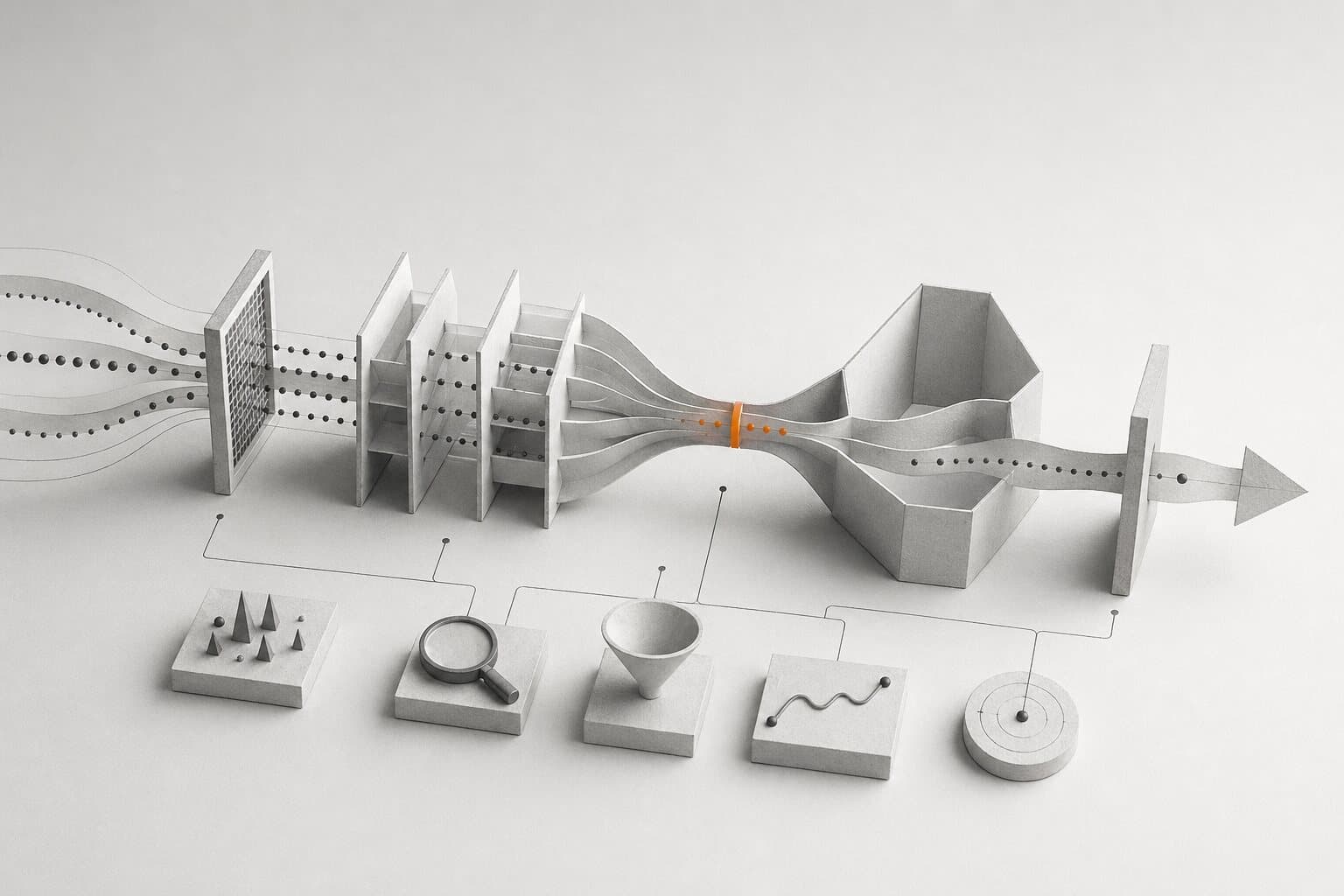
More paid traffic will not fix a website that is unclear, slow, hard to trust, or difficult to measure. It will usually make the leak more expensive. Before increasing spend, the site should be checked for the few issues that most often reduce the return from advertising.
Start with message match. The page a visitor lands on should reflect the promise that brought them there. If the ad speaks to a specific problem, product, location or offer, the page should continue that same argument quickly. A generic homepage or broad service page can work in some cases, but it often asks the visitor to do too much interpretation.
Then check speed and mobile behaviour. Paid traffic is impatient because the visitor has not invested much effort yet. Slow hero media, layout shift, heavy scripts, awkward mobile sections and hard-to-tap buttons all create friction before the offer has been considered.
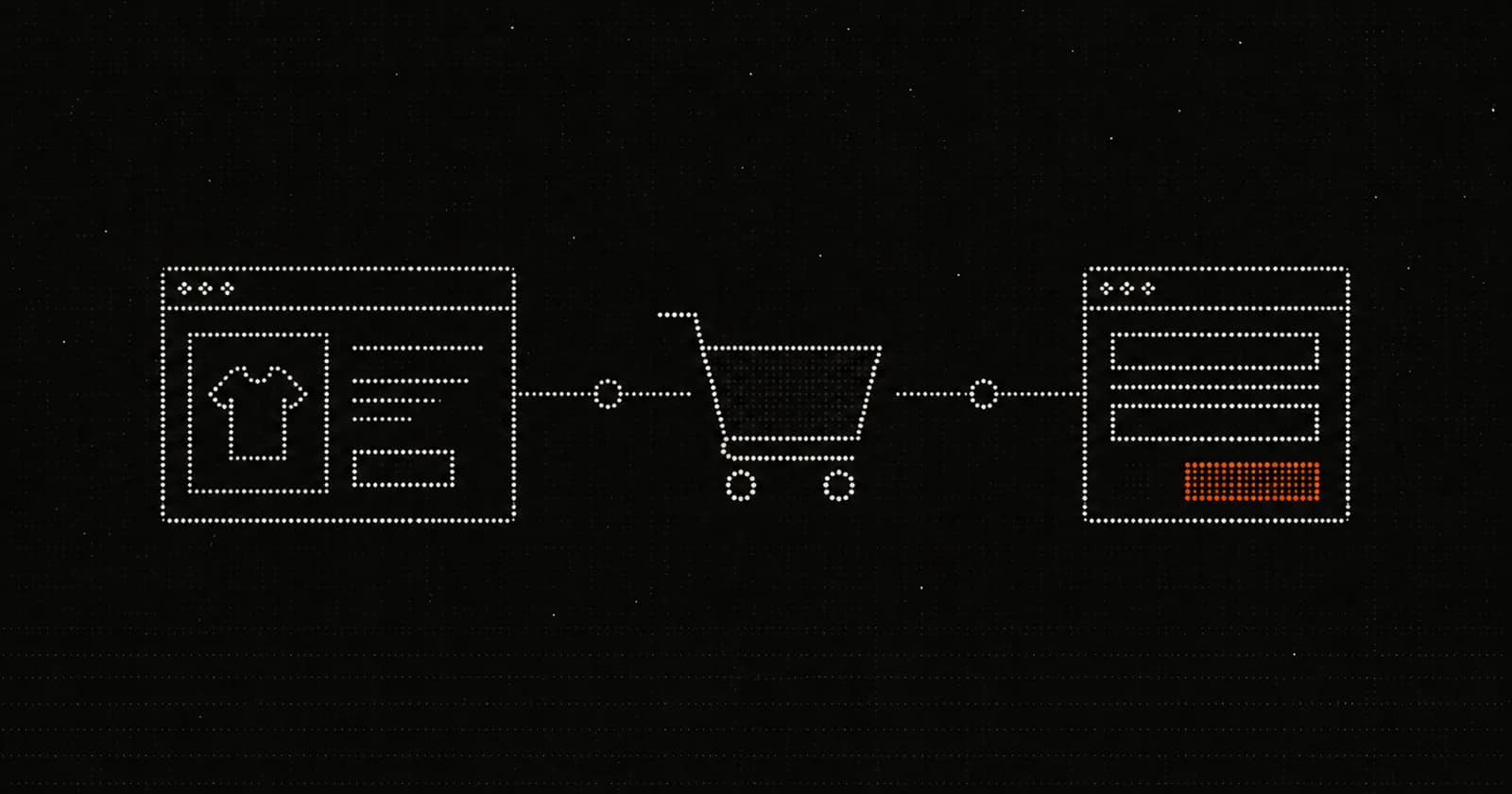
Next, review the conversion path. The CTA should be obvious, the form should ask only for useful information, validation should be clear, and the confirmation state should tell the visitor what happens next. If the team relies on phone calls, email clicks, bookings, or ecommerce actions, those paths need the same level of attention.
Trust signals also need to be close to the decision. Proof does not have to mean public case studies. Testimonials, process clarity, operator experience, platform expertise, aggregate results, standards, guarantees, review sources and clear contact details can all reduce hesitation.
Finally, fix the measurement before spend increases. Key actions should be tracked through a clean data layer, conversions should be deduplicated, and campaign reporting should separate weak engagement from real commercial intent. Once those pieces are in place, more traffic has a better chance of turning into useful demand instead of noise.
Not sure where your revenue is leaking?
Our free conversion audit surfaces the few specific places between the visit and the order where your site is losing buyers, and what to fix first.
Get a free conversion audit