You recover more abandoned carts and lift checkout completion on Shopify by doing two things at once: removing the friction that makes people abandon in the first place, and following up the ones who leave with timed email and SMS reminders. The single biggest cause of abandonment is unexpected extra costs at checkout, so the highest-impact move is showing the true total, including shipping, before anyone reaches the payment step (Baymard Institute, 2026). After that, the levers are express checkout, fewer fields, guest checkout and trust signals near the pay button.
01Why do shoppers abandon their carts?
Shoppers abandon their carts mostly because of cost surprises, forced friction and a lack of trust, not because they were never going to buy. Baymard Institute, which compiles abandonment data across 50 studies, puts the average documented cart abandonment rate at 70.22 percent (Baymard Institute, 2026). That number sounds alarming until you separate the people who were only browsing from the people who genuinely intended to buy and changed their mind during checkout.
When Baymard isolates the shoppers who had real intent and asks why they abandoned, the reasons line up clearly (Baymard Institute, 2026):
- Extra costs too high (shipping, tax, fees): 39 percent
- The site wanted me to create an account: 19 percent
- Delivery was too slow: 21 percent
- I did not trust the site with my card details: 19 percent
- The checkout process was too long or complicated: 18 percent
- I could not see or calculate the total order cost up front: 14 percent
- The website had errors or crashed: 15 percent
- Returns policy was not satisfactory: 15 percent
- Not enough payment methods: 10 percent
Read that list as a checklist. Almost every item is something you control on a Shopify store, and most are about cost transparency and friction rather than the product or its price. The shopper had decided your product was worth buying. The checkout talked them out of it.
02What is the difference between cart abandonment and checkout abandonment?
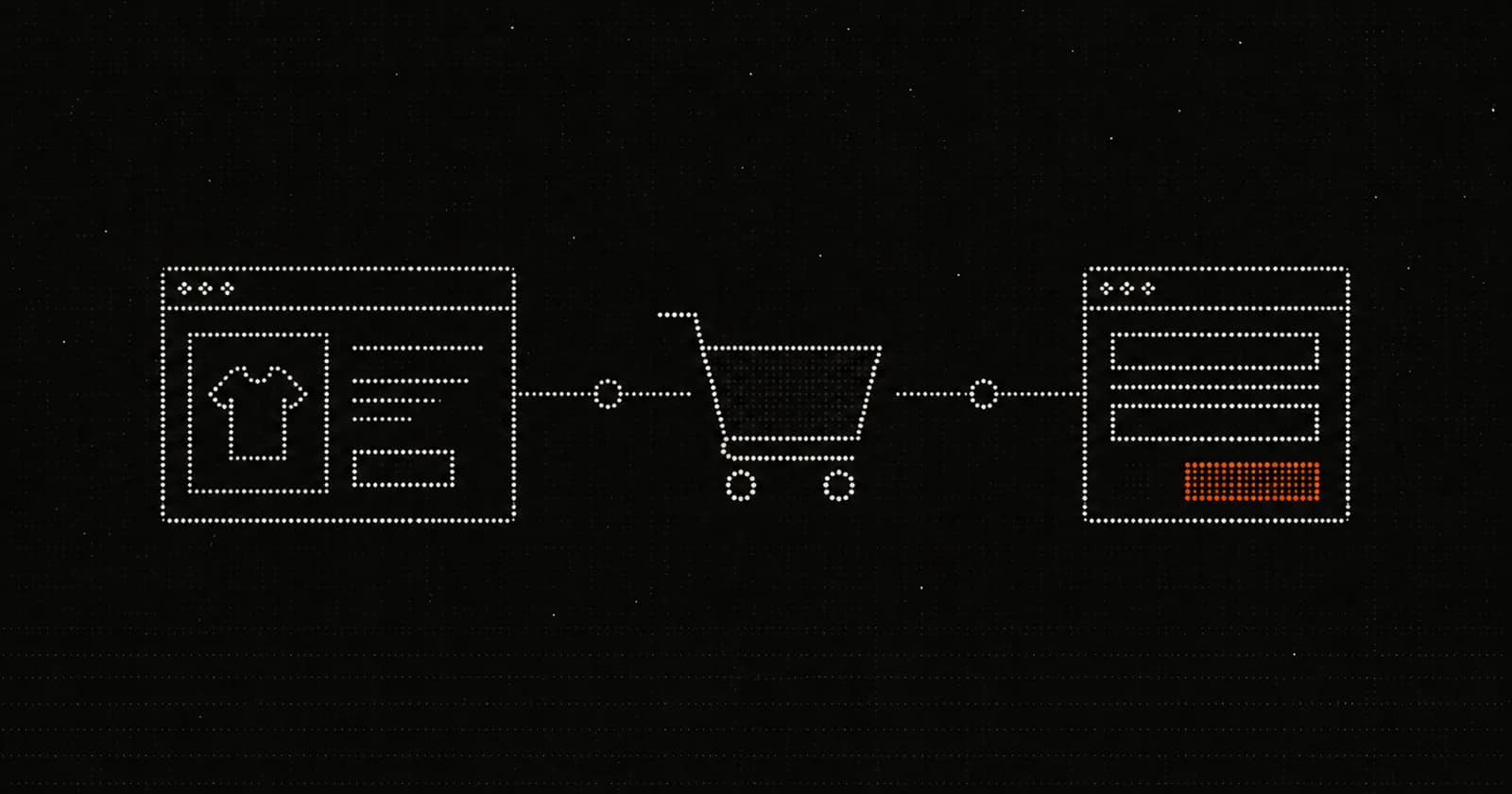
Cart abandonment is when a shopper adds an item and leaves before starting checkout; checkout abandonment is when they begin the checkout and quit before paying. The distinction matters because the two behaviours have different causes and need different responses.
Cart abandonment is often low-commitment. People use the cart as a wishlist, compare prices in another tab, or get interrupted, and many were never close to buying, which is why the headline 70 percent figure looks worse than the real loss. Checkout abandonment is far more serious. By the time someone is entering shipping details they have signalled clear intent, so every drop-off from that point is a shopper you almost had. In your Shopify analytics this is the gap between "Reached checkout" and "Sessions converted," and it is usually where the recoverable money sits.
Measure them separately. If most of your loss is at the cart stage, the work is in the cart and on the product page: clearer pricing, stronger reassurance, an obvious next step. If the loss spikes once people enter checkout, the problem is friction inside the checkout, and that is where the fixes below pay back fastest.
03What are the highest-impact checkout fixes on Shopify?
The highest-impact checkout fixes on Shopify are showing the full cost early, turning on express checkout, allowing guest checkout, cutting unnecessary form fields and placing trust signals at the point of payment. These map almost one to one onto Baymard's documented reasons for abandonment, which is why they move the number rather than just feeling tidy.
Show the true total cost, including shipping, before the payment step
Showing the full price early is the single most valuable change, because hidden costs are the number one reason carts are abandoned (Baymard Institute, 2026). On Shopify, surface shipping before the final step rather than springing it at the end. Add a shipping estimator or a free-shipping threshold message in the cart, set realistic flat rates, and where margins allow, absorb shipping into the product price. The total a shopper sees when they commit should be the total they pay. Nobody likes watching a 49 dollar order quietly become 67 dollars on the last screen.
Turn on Shop Pay and express checkout
Express checkout is the fastest single win available to most Shopify stores. Shop Pay, Apple Pay, Google Pay and PayPal let a returning shopper pay in a couple of taps without typing an address or card, which is exactly the friction that kills mobile conversion. Shopify's own guidance puts accelerated checkout among the most effective ways to cut abandonment (Shopify, 2025), and because most NZ traffic is now mobile, the impact lands where it matters. Enable the express buttons in your checkout settings and place them high in the cart, not as an afterthought.
Offer guest checkout and do not force account creation
Forcing account creation is the second most common reason intent-driven shoppers walk, cited by 19 percent of abandoners (Baymard Institute, 2026). Let people buy as a guest. Shopify allows guest checkout, so confirm it is enabled and that any account prompt comes after the order, framed as "save your details for next time" rather than a wall before payment. You still capture the email at checkout for your recovery flow, so you lose nothing by not demanding a password up front.
Cut the number of fields and steps
A checkout that feels long gets abandoned, and 18 percent of shoppers say so directly (Baymard Institute, 2026). Remove every field you do not strictly need. Combine first and last name where you can, drop the optional company field for consumer stores, use address autocomplete, and avoid asking for the same information twice. Shopify's one-page checkout already helps here; the job is to make sure your apps and customisations have not bolted extra steps back on.
Put trust signals at the point of payment
Card-security worry stops 19 percent of buyers at the moment they are about to pay (Baymard Institute, 2026), so reassurance belongs next to the pay button, not buried in the footer. Show recognised payment logos, a short secure-checkout line, your returns and delivery promise, and any review or guarantee badge right in the checkout flow. For higher-value New Zealand stores this matters even more, because the shopper is weighing whether an unfamiliar site can be trusted with a larger amount.
If you want these prioritised for your specific store rather than applied as a generic list, that is the core of our ecommerce CRO retainer: finding which of these levers is actually costing you orders, and fixing them in order of impact.
04How do I recover abandoned carts with email and SMS?
You recover abandoned carts with a short, timed sequence of email and SMS that starts within the first hour and tapers over a few days. Recovery messaging is not a single reminder; it is a small flow that catches shoppers at different points of hesitation. Shopify includes abandoned-checkout emails natively, and tools like Shopify Email, Klaviyo or an SMS app let you build a proper sequence (Shopify, 2025).
A reliable structure for most stores looks like this:
- First message within 1 hour. A simple "you left something behind" with the product image and a one-click link back to the cart. No discount yet; many people only got interrupted and need the nudge.
- Second message at around 24 hours. Add reassurance: free returns, delivery time, a short review. Address the likely objection rather than repeating the first email.
- Third message at 48 to 72 hours. Here a modest incentive can earn its place, such as free shipping or a small percentage off, but only if margins allow and only as the final touch. Lead with discounts too early and you train shoppers to abandon on purpose.
Two practical notes. An SMS in the mix lifts recovery because it is read fast, but use it with consent and sparingly, since NZ and AU shoppers tire of it quickly. And your recovery flow is only as good as the email capture behind it, another reason to take the address early in checkout rather than gating it behind an account.
05How do I know whether my checkout is the problem?
You know your checkout is the problem when your analytics show a sharp drop between reaching checkout and completing the order, beyond the normal range. The honest first step is not a redesign; it is confirming the numbers are real. We regularly find stores chasing a checkout problem that is partly a tracking problem, where purchases are double-counted or the conversion event misses a payment method, which makes the funnel look worse or better than it is.
Once the tracking is trustworthy, look at where people leave inside the checkout, split desktop from mobile, and compare against the abandonment reasons above. The pattern usually points straight at the fix. If you would rather have someone surface those specific leak points for you, our free conversion audit is built to show exactly where your cart and checkout are losing orders, before you spend on a rebuild or more traffic.
Not sure where your revenue is leaking?
Our free conversion audit surfaces the few specific places between the visit and the order where your site is losing buyers, and what to fix first.
Get a free conversion auditFrequently asked questions
Around 70 percent is the documented average across the wider ecommerce market (Baymard Institute, 2026), and most Shopify stores sit broadly in that band. The figure looks high because it includes browsers who were never going to buy. Watch your own checkout completion rate over time rather than fixating on the headline number.
A meaningful share is recoverable. A timed email and SMS sequence brings back shoppers who were interrupted or hesitating, and on-site fixes prevent a chunk of abandonment happening at all. You will never recover the pure browsers, but the intent-driven abandoners are exactly who the reasons data above describes, and most of those objections are fixable.
It can if you lead with it. Send your first reminders with no discount, because many people only need the nudge. Hold any incentive for the final message in the sequence, and only if your margins allow it, so you are not training shoppers to abandon carts to unlock a code.
Yes. Express checkout removes the typing that kills mobile conversion, and most of your traffic is mobile. It is one of the fastest changes available and usually a same-day switch in your Shopify checkout settings.
SMS lifts recovery because it is read quickly, but use it carefully, with consent and sparingly. One well-timed SMS alongside the email sequence is plenty for most NZ and AU audiences; more than that and you erode the goodwill faster than you recover the cart.
Sources
- Baymard Institute, Cart Abandonment Rate Statistics (2026): https://baymard.com/lists/cart-abandonment-rate
- Baymard Institute, Reasons for Cart Abandonment During Checkout (2026): https://baymard.com/lists/cart-abandonment-rate
- Shopify, How to Reduce Shopping Cart Abandonment (2025): https://www.shopify.com/enterprise/blog/44272899-how-to-reduce-shopping-cart-abandonment-by-optimizing-the-checkout